
MENINA D’UVA
Uva
Trás-os-Montes
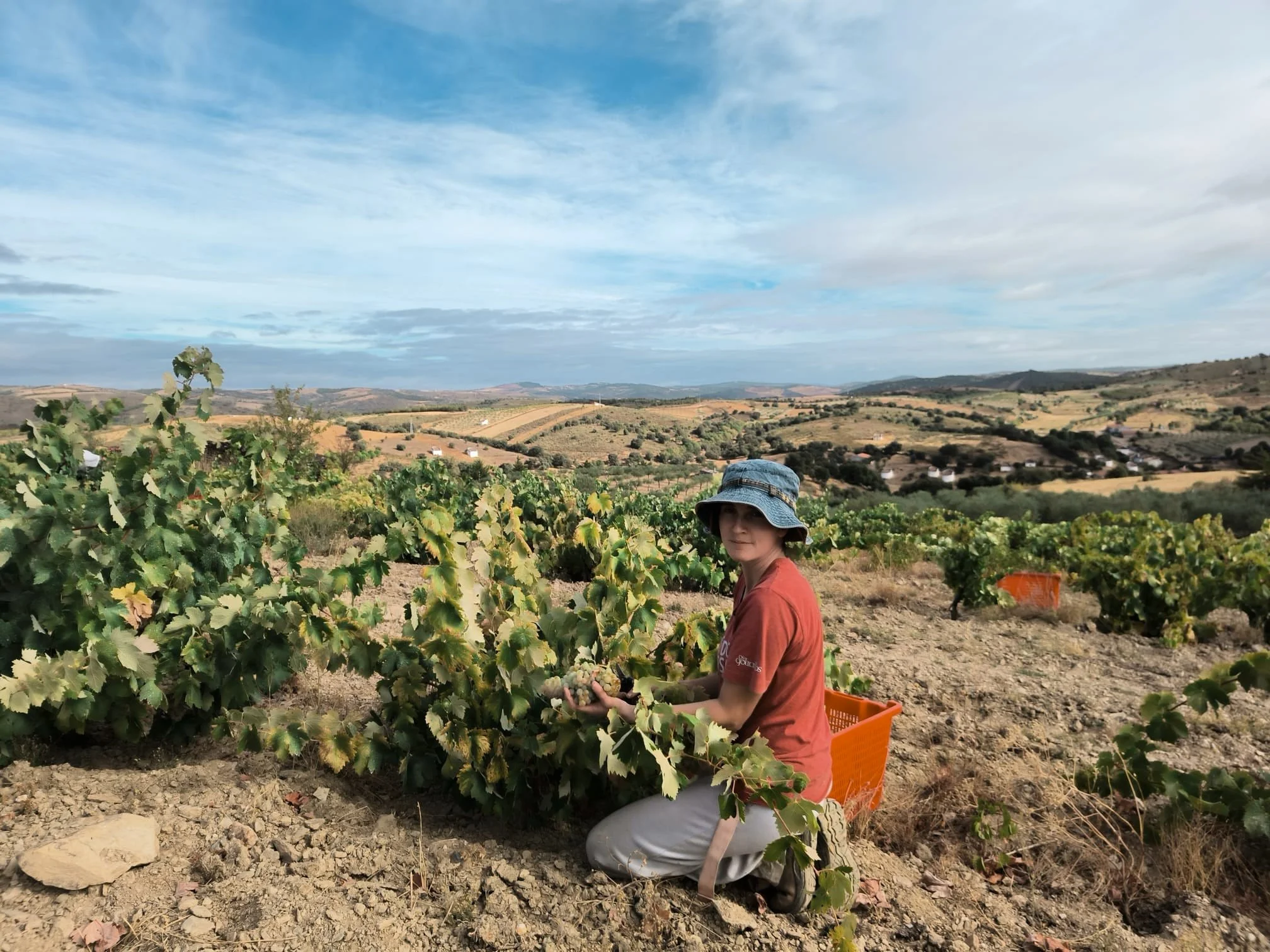
Menina d’Uva is the story of Aline Domingues, who grew up in Paris with her Portuguese parents before swapping city life for Uva, the tiny village her family comes from in northeastern Portugal. Drawn back to her roots, Aline began working with the area’s old vineyards, many of them tiny parcels of mixed plantings that have survived more as part of family life than as commercial vineyards.
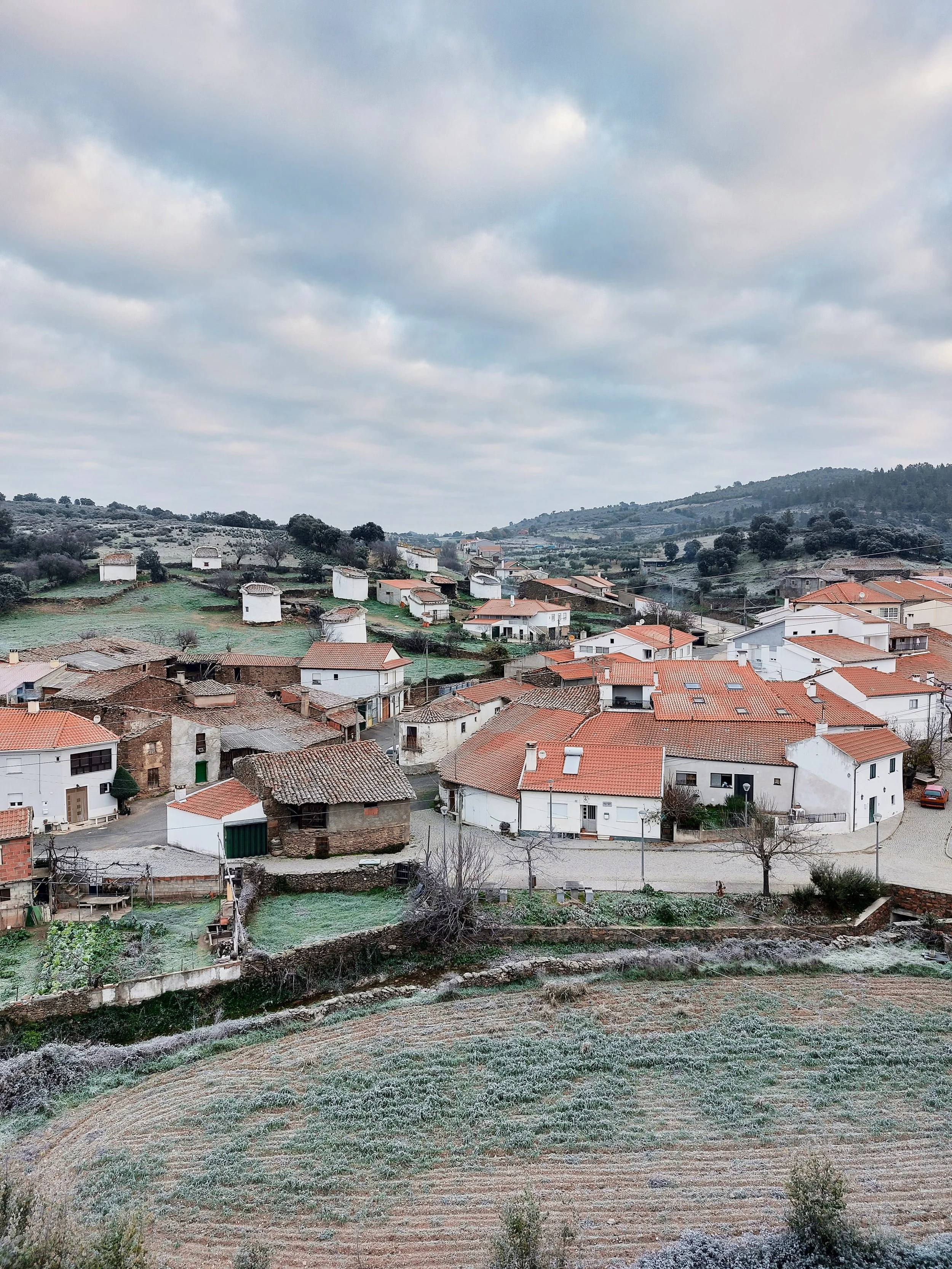
With just 45 inhabitants, Uva sits on the remote Mirandese Plateau, close to the Spanish border and the deep canyons of the Douro. It’s a landscape of wide, rolling high plains, granite and schist soils, dry-stone walls and small parcels of farmland.
The name Menina d’Uva translates as “Girl of Uva” - with uva, fittingly, also meaning “grape” in Portuguese. Aline is working with these old, often forgotten vineyards and local varieties, bringing new life and energy to the small but remarkable viticultural heritage.
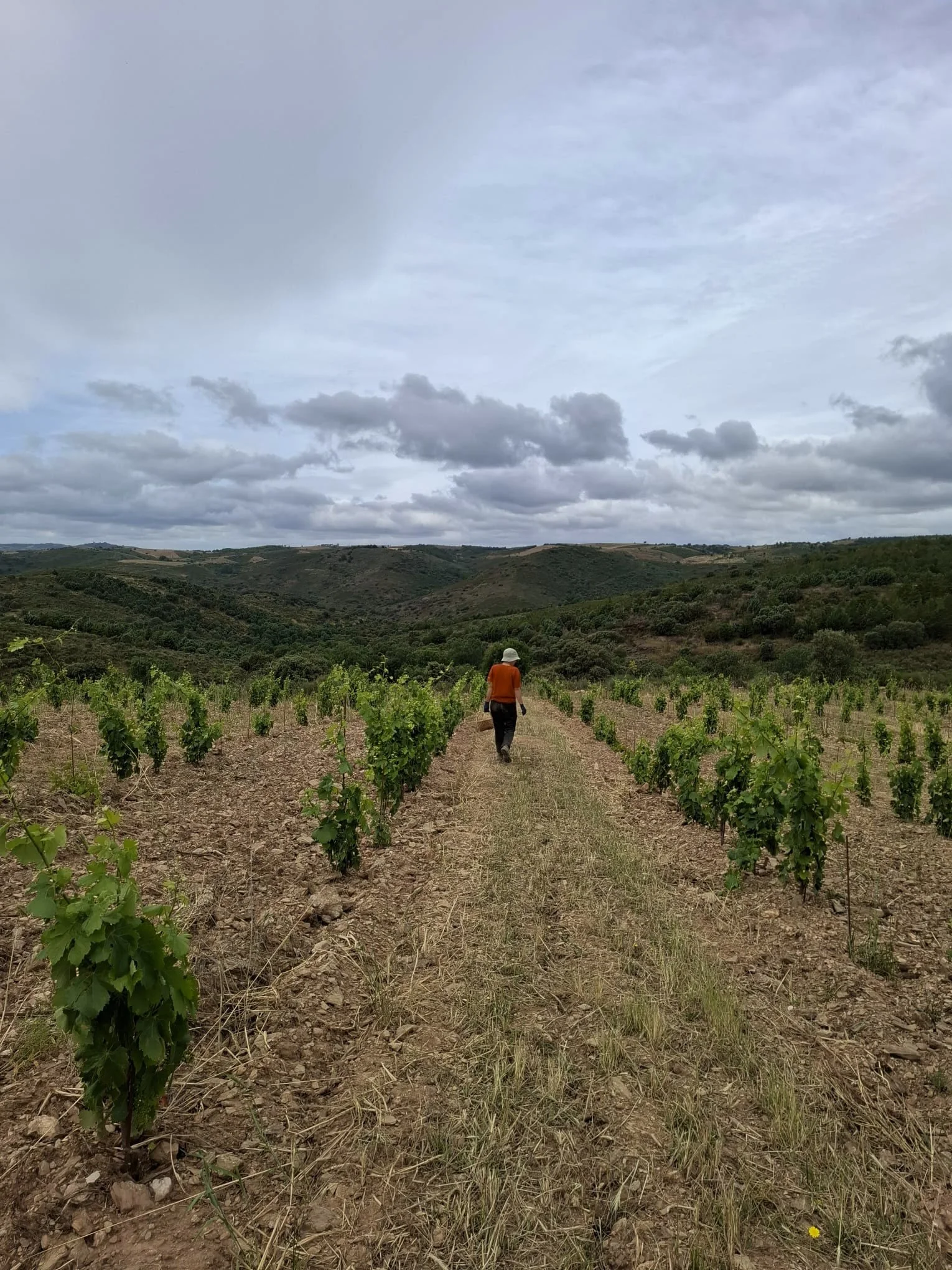
Aline works with a mixture of different old vine plots, including fruit from local organic growers as well as leased vineyards that she farms herself with her team. In 2019 she has also acquired a small piece of neglected woodland, which she has spent years clearing and preparing to replant with indigenous varieties. Next year will see the first wine from these vines: a beautifully ethereal, light red Clarete that we’re particularly excited to see arrive.
The vineyards are farmed organically, with compost used to bring some life back to the extremely poor soils. The climate is intensely dry, with very little rainfall during the growing season, and the bush vines remain remarkably small, often just 30–40cm above the ground. This makes everything more labour-intensive, with much of the vineyard work done by hand.
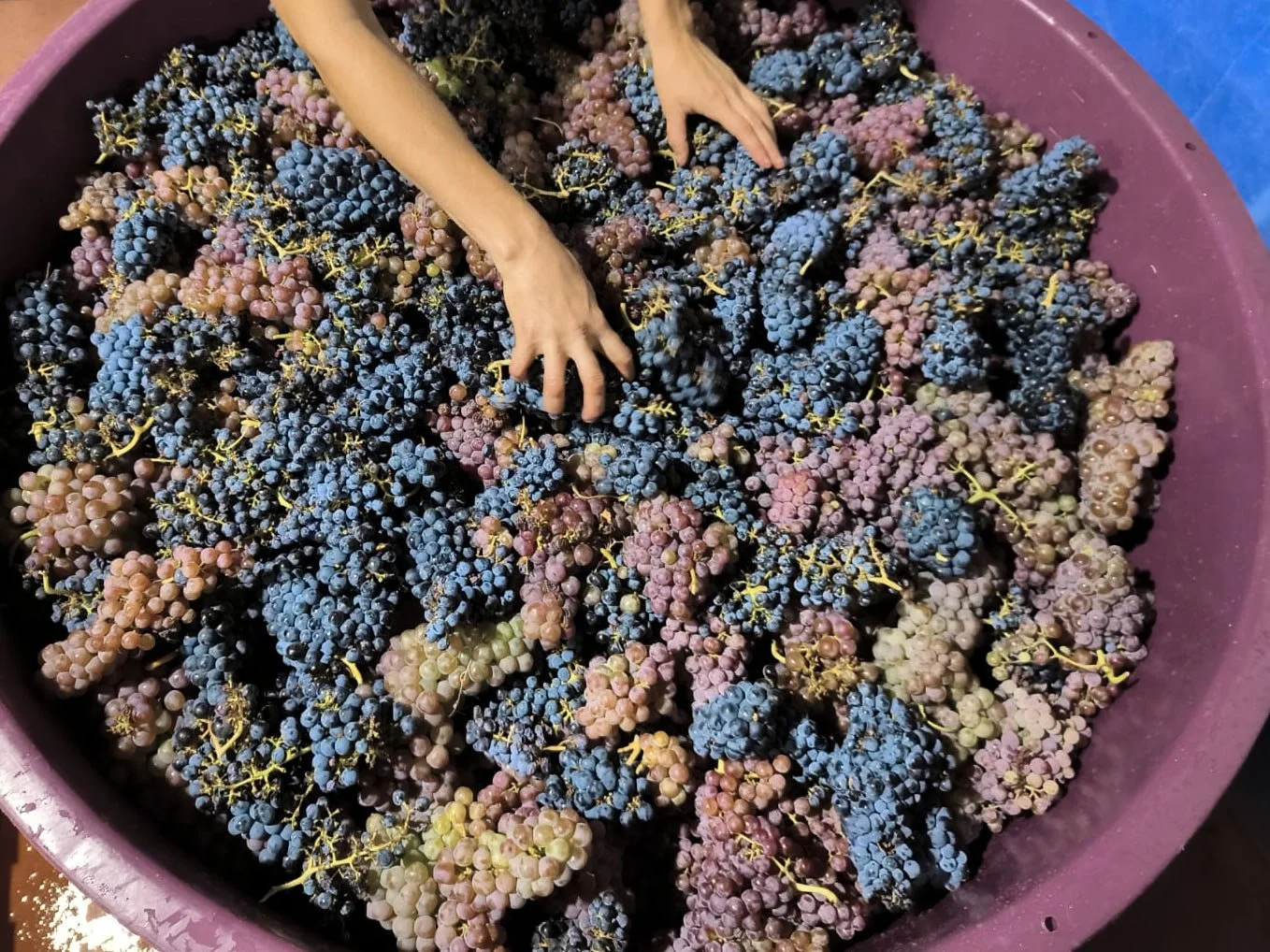
In the cellar, the approach is equally hands-off. Grapes are foot-trodden and fermented with indigenous yeasts, with no temperature control or other additions. Pressing is done manually in a traditional vertical wooden press, before the wines are aged in neutral vessels, mainly fibreglass, stainless steel or concrete, with a proportion sometimes going into used oak. The aim is to preserve the purity and character of the fruit and, above all, the place. A small amount of sulphur is added only at bottling.
Aline is bringing new energy to the viticultural heritage of this quiet, ageing village, working with old vineyards, forgotten parcels and unique varieties while drawing on Portugal’s long tradition of mixed field-blend planting.

Lichen
Vintage 2024
Style White
Region Uva, Vimioso
Varieties Malvasia, Bastardo Branco, Formosa, Poilta
ABV 12%
Soils Schist, Quartz
Farming Organic
Winemaking A blend of several indigenous white varieties from two parcels right in the heart of the Uva village. Vine age ranges from 40 to 60 years old planted in soils rich in Schist and Quartz, at 550m of elevation. Malvasia dominates the blend (70%), which is blended with 30% of a series of other local varieties such as Bastardo Branco, Formosa or Poilta. The fruit is hand harvested in whole bunches, which are foot trodden and fermented in fibre glass vats. The wine then spends 15 months in stainless for maturation. No fining or filtration, with a small dose of sulfur added at the botlling stage.
Tasting Note Pure mineral drive with bright floral tones, candied citrus and lychee undertones. Finish persists with lingering aromatic mouthwatering finish.
Ciste de Maceração
Vintage 2024
Style Skin Contact
Region Uva Vimioso
Varieties Malvasia, Bastardo Branco, Formosa, Verdelho
ABV 13%
Soils Clay
Farming Organic
Winemaking A blend of various different white varieties from an old parcel in Clay dominant soils, at 550m of altitude in to the West of the village. Vines age range from 60-80 years old. The blend includes several varieties being composed with mainly Malvasia, Bastartdo Branco, Formosa and Verdelho. Grapes are hand harvested and de-stemmed, followed by 11 days of maceration on the skins. The grapes are then gently pressed in a manual wooden vertical press. The wine is then aged in stainless steel for 15 months. Bottled in December 2025. No fining or filtration with only a minimal dose of sulfur added at the bottling stage.
Tasting Note
Ciste Rosé
Vintage 2024
Style Rosé
Region Uva, Vimioso
Varieties Tinta Gorda, other
ABV 13.5%
Soils
Farming Organic
Winemaking A rosé style made with a series of red local varieties. Grapes are sourced from an old parcel situated to the West of the Uva village at 550m above sea level. Clay soils dominate are with the age of the vines ranging from 60-80 years old. The blend is mainly composed of Tinta Gorda (90%) and 10% of a field blend of other local varieties. Whole bunches are hand harvested and foot trodden, followed by fermentation in stainless steel vats. The wine then spends a total of 15 months in a mixture of used oak barrels (70%) and stainless steel (30%). No filtration or fining with only a small dose of sulfur addition at the bottling stage.
Tasting Note
Urç
Vintage 2024
Style Red
Region Uva, Vimioso
Varieties Tinta Gorda, Malvasia, Bastardo Preta, Bastardo Branco, Verdelho Branco, Verdelho Russo, Tinta Fina, Tinta Bruñal
ABV 14.5%
Soils Granite
Farming Organic
Winemaking Red wine made with a mixture of 50% red and 50% white indigenous grapes. With a total of 15 different local varieties. Fruit is sourced from a 1.1ha parcel in Miranda do Douro to the East of the village at 750m of elevation. Vines in this parcel are centenary, planted in poor granitic soils, lending to very small yields and concentrated flavours. Grapes are hand harvested, de-stemmed and co-fermented in stainless steel vats. During fermentation Aline uses pump overs and the traditional foot treading before the wine is then gently pressed in a classic wooden vertical press. The wine is then matured for 18 months in stainless steel. No fining or filtration and only a minimal dose of sulfur is added at the bottling stage.
Tasting Note